Categories
Customer Management Health & Wellness

Healthcare CRM Solutions: Maximising Potential with Training

The healthcare sector is undergoing significant changes, making the need for efficient communication and management systems more critical than ever. Healthcare CRM (Customer Relationship Management) solutions have emerged as essential tools in this transformation, enabling healthcare organisations to streamline operations, enhance patient care, and markedly boost overall efficiency. The successful implementation and effective utilisation of these CRM systems heavily depend on thorough and comprehensive training. This article examines the crucial role of training in unlocking the full potential of healthcare CRM solutions and presents various training strategies and best practices to support this goal.

Recognising the Critical Importance of Healthcare CRM Solutions in Modern Healthcare

Before exploring the essential role of training in the effective deployment of healthcare CRM solutions, it is vital to understand the importance of these tools within the healthcare industry. Healthcare CRM solutions are sophisticated, technology-driven platforms designed to manage interactions with patients, promote patient engagement, streamline daily operations, and elevate the quality of care delivery. These platforms consolidate crucial patient data, facilitate effective communication, and automate various administrative tasks, allowing healthcare providers to concentrate on delivering exceptional care and enhancing the patient experience.

The advantages of implementing healthcare CRM solutions are extensive and include:

  1. Enhanced Patient Engagement: CRM solutions empower patients by granting them access to their health information, simplifying appointment scheduling, and fostering personalised communication. This increased engagement significantly boosts patient satisfaction, ultimately leading to improved healthcare outcomes.

  2. Improved Communication: These CRM platforms facilitate seamless interactions among healthcare providers, patients, and other essential stakeholders. By offering a centralised platform for collaboration, they enhance coordination and communication, which are crucial for delivering top-quality patient care.

  3. Streamlined Operational Processes: CRM solutions automate administrative tasks such as appointment scheduling, billing, and workflow management, thereby improving operational efficiency and reducing the administrative burden on healthcare professionals. This shift allows practitioners to devote more time to direct patient care, enhancing overall service quality.

  4. Data-Driven Decision Making: By analysing patient data, healthcare CRM solutions provide valuable insights and analytics. This capability enables healthcare organisations to make informed decisions and deliver personalised care, thereby enhancing patient outcomes and satisfaction.

Maximising the Potential of Healthcare CRM Solutions Through Comprehensive Training

Diverse healthcare professionals using CRM software on devices during a training session to improve patient care and efficiency.

While the adoption of healthcare CRM solutions is crucial, their effective implementation relies on thorough training. Here are key reasons why training is essential for unlocking the full potential of these CRM solutions:

1. Achieving Mastery of the CRM System

A primary aim of training is to ensure that healthcare professionals become proficient in using the CRM system. Training sessions should encompass all functionalities, features, and workflows of the CRM platform, allowing users to become familiar with its extensive capabilities. This familiarity empowers healthcare professionals to fully leverage the CRM solution, ensuring efficient usage and maximising benefits for both patients and the organisation.

Practical exercises and simulations should be fundamental components of the training process, providing a hands-on learning experience. By actively engaging with the CRM system, healthcare professionals can build confidence in their ability to perform various tasks, such as accessing patient information, scheduling appointments, and managing communications effectively.

2. Boosting User Adoption Rates

Training programmes are instrumental in enhancing user adoption rates. When healthcare professionals comprehend the benefits and value of the CRM solution, they are more likely to embrace and integrate it into their daily workflows. Comprehensive training can ease initial resistance or apprehension towards new technologies, facilitating widespread adoption and effective utilisation of CRM solutions.

To enhance user adoption, training should highlight the specific advantages of the CRM system tailored for various user roles within the healthcare organisation. For instance, physicians may appreciate features such as quick access to patient records and personalised communication, while administrative staff may find streamlined appointment scheduling and billing processes beneficial. By customising the training content to address the unique needs of each user role, organisations can foster greater user engagement and encourage active participation in utilising the CRM solution.

3. Encouraging Effective Data Management Practices

A healthcare professional training on CRM software, focusing on data management and security protocols.

CRM solutions centralise patient data, enabling seamless access and sharing among healthcare providers. To manage and utilise this data effectively, healthcare professionals need proper training. Training programmes should focus on best practices for data entry, as well as privacy and security protocols, alongside techniques for data retrieval and analysis.

By delivering comprehensive training on data management, healthcare organisations can ensure that healthcare professionals appreciate the importance of accurate and complete data entry. This includes training on using standardised data formats, capturing relevant patient information, and maintaining data integrity. Training should also address data privacy regulations and security measures to ensure compliance and protect sensitive patient information.

Training on data retrieval and analysis techniques empowers healthcare professionals to extract valuable insights from the CRM system. This capability facilitates data-driven decision-making, allowing healthcare providers to analyse trends, identify patterns, and make informed choices that enhance personalised patient care.

4. Emphasising Customisation and Tailoring of CRM Solutions

Healthcare CRM solutions often provide a myriad of customisation options to cater to the specific needs of different organisations. Training sessions should highlight the customisation capabilities of the CRM platform, empowering healthcare professionals to adapt it according to their workflows and preferences. This level of customisation enables users to optimise the potential of the CRM solution, ensuring seamless integration into existing processes and workflows.

During training, healthcare professionals should be introduced to the various customisation features available within the CRM system. This includes configuring user interfaces, creating custom fields and templates, and establishing automated workflows. By providing training on customisation, organisations enable healthcare professionals to adapt the CRM solution to their specific requirements, resulting in a more efficient and tailored user experience.

Effective Training Strategies and Best Practices for Optimising Healthcare CRM Solutions

To fully exploit the capabilities of healthcare CRM solutions, organisations should implement effective training strategies and best practices. Here are essential recommendations to ensure successful training implementation:

1. Conducting a Comprehensive Needs Assessment

A diverse group of professionals analyzing data for CRM training needs in a conference room.

Before developing an effective training programme, organisations must conduct a thorough needs assessment to identify knowledge gaps, skill deficiencies, and specific training requirements. This assessment should involve input from all stakeholders, including healthcare professionals, IT personnel, and administrators. By understanding the unique needs of the organisation, training programmes can be tailored to address specific challenges and optimise the benefits of healthcare CRM solutions.

During the needs assessment, organisations should evaluate the current level of CRM system knowledge among healthcare professionals. This can be accomplished through surveys, interviews, or direct observations. Feedback from IT personnel can provide insights into technical requirements and potential integration challenges. By gathering comprehensive information, organisations can design training programmes that cater to the specific needs of various user roles, ensuring effective knowledge transfer.

2. Developing Tailored Training Modules for Diverse Roles

Training programmes should be crafted to accommodate the diverse user roles and responsibilities within the healthcare organisation. Customised training modules can be created for different departments, such as physicians, nurses, administrative staff, and IT personnel. These modules should focus on the specific functionalities and workflows relevant to each role, ensuring targeted and efficient training that meets the needs of individual users.

By tailoring training modules to specific user roles, organisations can provide relevant and practical training experiences. For example, physicians may require training on accessing patient records and using clinical decision support tools, while administrative staff may need instruction on appointment scheduling and billing processes. By addressing the unique requirements of each user role, organisations can enhance the effectiveness of training and ensure that healthcare professionals acquire the necessary skills to utilise the CRM solution effectively.

3. Integrating Hands-On Training and Simulations

Hands-on training and simulations offer a practical learning experience, allowing healthcare professionals to become acquainted with the CRM system in a controlled environment. This interactive approach helps users build confidence and competence in utilising the CRM solution and facilitates a smooth transition during its implementation. Simulations can replicate real-world scenarios, enabling healthcare professionals to practise using the CRM solution in various situations, ensuring they are well-prepared to manage different patient interactions effectively.

During hands-on training, healthcare professionals should be given opportunities to actively engage with the CRM system. This can include tasks such as creating patient profiles, scheduling appointments, and generating reports. By simulating real-life scenarios, healthcare professionals can develop the necessary skills and familiarity with the CRM solution, ensuring a smooth and successful implementation.

4. Ensuring Ongoing Support and Continuous Training

Training should not be regarded as a one-off event; rather, it must be an ongoing process. Healthcare organisations should provide continuous support and training opportunities for healthcare professionals even after the initial implementation phase. This includes regular refresher courses, updates on new features and functionalities, as well as addressing emerging challenges or issues. By investing in continuous training, organisations can ensure that healthcare professionals remain proficient in using the CRM solution and can adapt effectively to any system updates or changes.

To provide ongoing support, organisations may establish a dedicated support team or help desk that healthcare professionals can contact for assistance. This team should possess in-depth knowledge of the CRM system and be equipped to resolve any user queries or issues. Regular training sessions and workshops can be organised to keep healthcare professionals informed about new features and functionalities or to reinforce specific training topics.

Unlocking the Full Potential of Healthcare CRM Solutions Through Effective Training

In summary, healthcare CRM solutions have the potential to transform the healthcare industry by enhancing patient care, streamlining operations, and improving overall efficiency. The successful implementation and effective utilisation of these solutions rely significantly on thorough training. By providing robust training programmes tailored to the specific needs of healthcare professionals, organisations can unlock the full potential of healthcare CRM solutions. This leads to improved patient outcomes, greater operational efficiency, and enhanced overall performance within the organisation.

Frequently Asked Questions About Healthcare CRM Solutions

  1. What advantages do healthcare CRM solutions offer?

    Healthcare CRM solutions provide numerous benefits, including improved patient engagement, enhanced communication, streamlined operations, and support for data-driven decision-making.

  2. Why is training vital for healthcare CRM solutions?

    Training is essential for healthcare CRM solutions as it ensures familiarity with the CRM system, increases user adoption, promotes effective data management, and allows for customisation and tailoring.

  3. What key areas should training programmes for healthcare CRM solutions focus on?

    Training programmes for healthcare CRM solutions should emphasise practical learning experiences through hands-on training and simulations. They should also showcase customisation capabilities and address the specific needs of different user roles within the organisation.

  4. How can organisations ensure ongoing support and continuous training for healthcare CRM solutions?

    Organisations can maintain ongoing support and continuous training for healthcare CRM solutions by establishing a dedicated support team or help desk, offering regular refresher courses and workshops, and keeping healthcare professionals updated on new features and functionalities.

Originally posted 2023-04-27 16:49:10.

The post Healthcare CRM Solutions: Unlocking Potential through Training appeared first on Healthcare Marketing Service.

Categories
Finance & Business Medical Management

Medical Billing & Coding for Increased Profitability

In the dynamic landscape of healthcare, enhancing profitability is paramount for medical practices and healthcare providers. A particularly effective strategy to achieve this involves leveraging the combined power of medical billing and coding alongside the revenue cycle. By optimising these two critical components of the healthcare ecosystem, providers can streamline their operations, minimise revenue losses, and ultimately improve their financial outcomes.

Understanding the Key Contributions of Medical Billing & Coding to Healthcare Revenue Enhancement

Medical billing and coding serve as the essential foundation of the revenue cycle. These intricate processes involve translating various medical procedures, diagnoses, and treatments into standardised codes. Accurate coding is crucial to ensure that medical services are billed correctly and reimbursed by insurance companies, government programmes, and patients. This precision not only safeguards revenue but also fosters trust and transparency between providers and their patients.

What Strategies Can Healthcare Providers Implement to Secure Timely and Accurate Reimbursement?

A medical coder translating healthcare procedures into codes, ensuring timely reimbursements, with coding software and manuals.

Accurate coding is essential for healthcare providers to receive the reimbursement they deserve. Inaccurate coding can lead to payment denials and delays. Any mistakes or omissions can result in claim rejections, leading to missed revenue opportunities. Engaging skilled and knowledgeable medical coders who can interpret complex healthcare procedures and diagnoses accurately into the correct codes is vital. This expertise ensures that coding adheres to current industry standards.

To improve proficiency in medical coding, healthcare providers should prioritise ongoing education and training for their coders. This investment ensures that coders remain informed about the latest coding guidelines and regulations, thereby minimising the risk of errors and denials. Conducting regular audits and quality assurance checks can help identify inefficiencies in coding practices, allowing for prompt rectification and smoother billing processes.

What Measures Can Healthcare Providers Take to Strengthen Compliance with Medical Billing and Coding Regulations?

Maintaining compliance with numerous regulatory requirements is a fundamental aspect of medical billing and coding. The healthcare sector is governed by various regulations, including the Health Insurance Portability and Accountability Act (HIPAA) and the International Classification of Diseases (ICD) coding guidelines. Adhering to these regulations is crucial to avoid potential penalties and legal complications.

Medical coders with a thorough understanding of the latest coding standards and regulations can significantly aid healthcare providers in maintaining compliance, thereby reducing the risk of financial and legal repercussions. Regular training sessions and access to educational resources are essential for coders to stay informed about any changes in regulations and guidelines that may impact their work.

Grasping the Revenue Cycle: A Holistic Framework for Revenue Generation

While medical billing and coding are pivotal in optimising revenue, they represent only a portion of the larger revenue cycle. This cycle encompasses every phase involved in generating revenue for healthcare services, from scheduling appointments to collecting payments. A comprehensive understanding of this cycle is essential for providers aiming to enhance their financial performance.

What Techniques Can Improve Patient Scheduling and Registration for Greater Efficiency?

A modern healthcare reception with digital scheduling and automated registration kiosks, improving patient flow and satisfaction.

Efficient patient scheduling and registration processes are fundamental steps in maximising profits within healthcare settings. By adopting user-friendly scheduling systems and automating patient registration, healthcare providers can significantly alleviate administrative burdens while enhancing the overall patient experience. These improvements can lead to higher patient satisfaction, increased retention rates, and ultimately, enhanced revenue.

Healthcare providers should focus on refining their appointment scheduling to ensure maximum efficiency. By accurately allocating time slots according to the complexity of procedures, providers can guarantee optimal resource utilisation while reducing patient waiting times, thus improving the patient journey from their initial contact with the practice.

How Can Accurate Patient Eligibility Verification Minimise Claim Denials?

To ensure precise billing and reduce the risk of claim denials, verifying patient eligibility for insurance coverage is crucial. Utilising electronic eligibility verification systems can assist healthcare providers in confirming coverage details, copayments, and deductibles upfront, facilitating clear and accurate financial interactions with patients.

Automating patient eligibility verification can considerably diminish the likelihood of errors and denials. These advanced systems can swiftly retrieve and validate insurance information, ensuring that patients are fully aware of their financial responsibilities before receiving treatment. This proactive approach not only leads to smoother financial transactions but also enhances patient satisfaction while reducing the administrative workload for healthcare providers.

What Actions Can Healthcare Providers Take for Efficient Claims Management?

Timely and accurate claim submission and management are essential for the revenue cycle. Billing errors, such as incorrect coding or missing documentation, can lead to payment delays or outright denials. By implementing advanced billing software with claim scrubbing capabilities, healthcare providers can identify and rectify such errors prior to claim submission, effectively mitigating the risk of revenue losses.

To integrating advanced billing software, healthcare providers should establish robust processes and workflows for claims management. This includes conducting regular audits to uncover any coding or documentation discrepancies, fostering effective communication between coders and revenue cycle specialists, and continuously monitoring and analysing claim data to identify trends or patterns that may adversely affect revenue.

How Can Effective Payment Collection Strategies Boost Profitability?

Modern healthcare office with digital payment options, patients using smartphones, staff managing timely statements.

Collecting patient payments is a vital component of maximising profits in healthcare. By implementing efficient payment collection processes, such as providing online payment options, providers can enhance patient convenience and increase the likelihood of timely payments. Dispatching accurate statements and reminders promptly can significantly reduce outstanding balances and minimise occurrences of bad debt.

To further streamline payment collection, healthcare providers should explore automated systems that facilitate easy online payments. These systems should offer various payment options—such as credit cards, debit cards, and electronic fund transfers—to accommodate the diverse preferences of patients. Regularly reviewing and analysing payment collection data can also help identify bottlenecks or issues in the process, enabling the implementation of strategies to enhance efficiency.

Why Are Analytics and Performance Monitoring Crucial for Revenue Cycle Optimisation?

Monitoring and analysing key performance indicators (KPIs) is essential for refining the revenue cycle. By tracking metrics such as days in accounts receivable, denial rates, and collection ratios, healthcare providers can pinpoint areas needing improvement and implement targeted strategies to enhance revenue generation.

Implementing comprehensive analytics and reporting systems can furnish healthcare providers with real-time insights into their revenue cycle performance. These systems should generate detailed reports and dashboards that highlight vital KPIs and emerging trends. Regularly reviewing these reports and conducting in-depth analyses can help identify areas of revenue leakage, bottlenecks, or aspects that require enhancement.

How Can the Integration of Billing and Revenue Cycle Management Optimise Profitability?

To truly maximise profits, healthcare providers must appreciate the interdependence of medical billing and coding with the revenue cycle. By aligning these two critical components, providers can establish a seamless and efficient process that reduces revenue leaks while maximising financial success.

What Benefits Arise from Collaboration Between Coders and Revenue Cycle Specialists in Promoting Efficiency?

Effective communication and collaboration between medical coders and revenue cycle specialists are essential for achieving synergy. Coders must deliver precise and detailed coding information to ensure correct claim billing, while revenue cycle specialists require a comprehensive understanding of coding guidelines to identify and address potential issues before they escalate.

Establishing regular meetings or forums where coders and revenue cycle specialists can engage in discussions about coding challenges, share best practices, and address concerns can significantly enhance collaboration and improve the overall efficiency of the revenue cycle. Creating a feedback loop between these two groups can help identify recurring issues or trends, enabling targeted training or process enhancements.

Why Is Ongoing Education and Training Vital for Sustained Success?

Given the constantly evolving nature of healthcare regulations and coding guidelines, continuous education and training are imperative. Healthcare providers should invest in regular training sessions and educational resources to ensure that coders and revenue cycle specialists remain knowledgeable about the latest changes. This commitment will uphold accuracy, compliance, and efficiency throughout the entire revenue cycle.

Investing in ongoing education and training programmes enables coders and revenue cycle specialists to stay abreast of any modifications in coding guidelines or regulations. This could involve attending industry conferences, webinars, or workshops, as well as providing access to online resources and training modules. By prioritising staff knowledge and skills, healthcare providers can ensure that their revenue cycle processes are optimised and aligned with the most recent industry standards.

How Can Technology and Automation Simplify Revenue Cycle Management?

Integrating advanced technology and automation into medical billing and revenue cycle management can significantly streamline operations and minimise human error. Integrated electronic health record (EHR) systems, coding software, and revenue management tools can enhance efficiency, accuracy, and overall financial performance.

Healthcare providers are encouraged to consider implementing integrated EHR systems that seamlessly connect with their billing and coding operations. These systems should feature built-in coding modules that offer real-time coding assistance, ensuring accuracy and compliance. Employing revenue management tools that automate tasks such as claims submission, payment posting, and denial management can drastically reduce administrative burdens and improve overall revenue cycle efficiency.

Why Are Routine Audits and Quality Assurance Checks Essential for Revenue Cycle Integrity?

Conducting routine audits and quality assurance checks is vital for identifying inefficiencies in coding and the revenue cycle. By carefully reviewing claims, ensuring coding accuracy, and assessing revenue cycle performance, healthcare providers can promptly address any gaps or issues that may arise, ultimately leading to improved profitability.

Routine audits should involve a thorough review of coding accuracy, compliance with regulations, and overall revenue cycle performance. This may include examining a sample of claims for precision, analysing coding trends and patterns, and evaluating the effectiveness of revenue cycle workflows and processes. Based on the findings from these audits, appropriate corrective actions should be taken to resolve any identified gaps or issues.

The synergy between medical billing and coding with the revenue cycle is crucial for maximising profits within the healthcare sector. By optimising coding accuracy, streamlining revenue cycle processes, and effectively leveraging technology, healthcare providers can minimise revenue leaks, enhance compliance, and ultimately achieve financial success. Investing in education, collaboration, and continuous improvement will ensure sustainable profitability in an ever-evolving healthcare landscape.

Frequently Asked Questions About Medical Billing and Coding

1. Why Is Accurate Coding Essential for Healthcare Providers?

Accurate coding is critically important for healthcare providers as it ensures rightful reimbursement for the services provided. Without meticulous coding, providers may encounter denials and delays in securing payments, potentially resulting in substantial revenue losses.

2. How Can Healthcare Providers Strengthen Compliance in Medical Billing and Coding?

Healthcare providers can bolster compliance in medical billing and coding by investing in ongoing education and training for their coders. Providing regular training sessions and access to educational resources will help coders remain updated on the latest coding standards and regulations.

3. What Strategies Can Enhance Payment Collection Efficiency in Healthcare?

To optimise payment collection, healthcare providers can implement streamlined processes, such as offering online payment options. Establishing automated systems that facilitate easy online payments and providing a variety of payment methods can significantly improve patient convenience, thereby increasing the likelihood of timely payments.

4. How Can Healthcare Providers Effectively Monitor and Enhance Their Revenue Cycle Performance?

Healthcare providers can efficiently track and improve their revenue cycle performance by implementing comprehensive analytics and reporting systems. These systems should generate detailed reports and dashboards focusing on key performance indicators (KPIs) such as days in accounts receivable, denial rates, and collection ratios. By regularly reviewing these reports and conducting thorough analyses, providers can identify areas for enhancement and develop targeted strategies to improve revenue generation.

Originally posted 2023-04-26 10:36:09.

The post Medical Billing & Coding: Enhance Profits with Synergy appeared first on Healthcare Marketing Service.

Categories
Health & Wellness Hearing Devices

Starkey Muse: New Hearing Aids Now Available in the UK

Starkey Muse from Hearing First brings a new generation of power and precision to hearing aid wearers, making conversation clearer in noisy environments, and music more natural.

Starkey Muse from Hearing First

Discover the Launch of Starkey Muse Hearing Aids in the UK

Starkey has proudly unveiled its latest Muse range of hearing aids, designed to cater to the diverse needs of users. This innovative collection includes several styles, from the subtle yet powerful Completely In Canal (CIC) and In The Canal (ITC) options to the custom In The Ear (ITE) models. the range features the microRIC 312, miniBTE, and microRIC 312 AP models, which provide feedback-free amplification of up to 70dB. For those seeking the highest level of discretion, Starkey presents the Soundlens Synergy, the world’s first wireless true Invisible In Canal (iic) hearing aid.

The Muse range is available in three technology levels: i2400, i2000, and i1600. Each model is powered by Starkey’s state-of-the-art Synergy technology platform, which boasts a quad-core architecture featuring up to 24 channels and twin compressors for enhanced performance.

All Muse models are equipped with Starkey’s innovative, patent-pending Multiflex Tinnitus technology. This feature blends personalisation with flexibility, offering much-needed relief for those who experience tinnitus.

With the introduction of the all-new Synergy platform, Muse stands out as the only platform utilising quad-core twin compressor technology. This advancement allows for unparalleled precision in audibility and optimal listening experiences. Synergy, combined with Acuity OS, Starkey’s cutting-edge high-definition operating system, processes speech and music in a uniquely advanced manner. This breakthrough enhances speech intelligibility and elevates the enjoyment of music across various environments.

Synergy also features 900sync Technology, a wireless solution preferred by patients, which delivers an exceptional audio experience, particularly beneficial for individuals with unilateral hearing loss through the new Muse CROS System. it significantly enhances phone conversations with the addition of ear-to-ear phone streaming.

To learn more about the Starkey Muse range, explore the following links:

Starkey Muse i2400

Starkey Muse i2000

Categories
Health & Wellness Hearing Devices

Starkey Muse i2400 Hearing Aids: CIC, ITC, ITE, RIC, BTE at £1595

Starkey Muse i2400 £1595 from Hearing First brings a new generation of power and precision to hearing aid wearers, making conversation clearer in noisy environments, and music more natural.

Starkey Muse i2400 £1595 from Hearing First

Discover the Starkey Muse i2400 at £1595

Starkey has introduced their innovative Muse range of hearing aids, with Hearing First offering the most competitive price in the UK at just £1595. This impressive selection includes various styles, such as the discreet yet potent CIC (completely in the canal), ITC, and ITE custom designs. options like the microRIC 312, miniBTE, and microRIC 312 AP provide up to 70dB of feedback-free amplification. For individuals seeking the utmost in subtlety, Starkey presents the Soundlens Synergy, the world’s first wireless true iic (invisible in the canal) hearing aid.

The Muse range is available in three technology levels: i2400, i2000, and i1600. Each model is powered by Starkey’s advanced Synergy technology platform, which features a quad-core architecture with up to 24 channels and twin compressors, ensuring exceptional sound quality and performance.

All Muse models come equipped with Starkey’s groundbreaking Multiflex Tinnitus technology. This innovative solution offers personalisation and flexibility, providing much-needed relief for those who experience tinnitus.

Uncover the Cutting-Edge Technology Behind the Starkey Muse i2400

The i2400 model showcases a host of impressive features, including:

  • 24 channels and 24 bands for optimal sound clarity
  • Extended bandwidth reaching up to 10kHz
  • Acuity OS for enhanced performance
  • 900sync Wireless Technology for seamless connectivity
  • Wireless Spatial Streaming for a rich audio experience
  • Acuity Speech Optimisation for improved speech clarity
  • Music Enhancement features, which include
    • Music Adaptation – Level 4
    • Music Memory for personalised listening
    • E2E Music Adaptation – Maximum for superior sound quality
  • Ear 2 Ear Acuity Binaural Imaging, featuring
    • E2E Machine Noise Adaptation – Level 4
    • E2E Wind Noise Management – Level 4
    • E2E Directionality for enhanced focus on sounds
    • E2E Phone Streaming for clear conversations
  • Environment Manager – Acuity Lifescape Analyser, which includes
    • Music – Level 4
    • Speech – Level 4
    • Speech and Noise – Level 4
    • Machine Noise – Level 4
    • Wind – Level 4
    • Noise – Level 4
    • Quiet – Level 4
  • Directional Processing – Acuity Directionality, featuring
    • Channels: 24 for detailed sound processing
    • Dynamic – Maximum for responsive adjustments
    • Directional – Maximum for focused listening
    • Adaptive – Maximum for versatile performance
  • Noise Control – Acuity Voice, which includes
    • Noise Reduction Strength – Level 4 for a quieter experience
  • Whistlefree Feedback Cancellation to prevent annoying feedback
  • Speech Shift Frequency Lowering for clearer communication
  • Multiflex Tinnitus Technology for enhanced relief
  • SurfLink Wireless Accessories for added convenience

The Muse i2400, powered by Starkey’s revolutionary Synergy platform, stands out as the only platform featuring quad-core twin compressor technology. This advancement allows for unparalleled precision in sound audibility and optimises the listening experience. With Synergy and Acuity OS, the new high-definition operating system, speech and music can be processed uniquely, improving speech clarity and enhancing enjoyment across various environments.

Synergy also integrates 900sync Technology, which delivers a crystal-clear audio experience tailored to those with unilateral hearing loss through the new Muse CROS System. it enhances phone conversations with the innovative ear-to-ear phone streaming feature.

Categories
Health & Wellness Hearing Aids

Starkey Muse i2000: Affordable Hearing Aids for All Types

Starkey Muse i2000 £1295 from Hearing First brings a new generation of power and precision to hearing aid wearers, making conversation clearer in noisy environments, and music more natural.

Starkey Muse i2000 £1295 from Hearing First

Discover the Starkey Muse i2000 at £1295

If you are searching for the best price in the UK for the Starkey Muse i2000, look no further than Hearing First.

The Starkey Muse i2000 introduces a transformative standard in ear-to-ear communication, featuring Acuity Binaural Imaging. This innovative technology offers ultra high-definition audio, enhancing the natural ear-to-ear experience for users. Collaborative decision-making ensures that speech clarity is preserved while maintaining comfort during use.

Modern users desire a seamless listening experience in various environments. Our advanced Acuity Lifescape Analyzer stands out as the most rigorously tested environmental detection system available. It categorises sounds into seven distinct classes, effectively managing multiple acoustic settings simultaneously. This results in the most sophisticated and precise classification and adaptation system to date.

To enhance speech detection in challenging listening situations, Acuity Directionality is designed to be intelligent and personalised. It continuously adapts across all channels, prioritising conversations and providing up to 6dB of speech enhancement. This feature allows users to engage more fully in conversations, regardless of their direction.

Acuity Voice complements the Acuity Lifescape Analyzer, ensuring optimal speech audibility. Its dual-component algorithm employs dynamic voice identification alongside spectral noise control. This technology calculates the appropriate gain for each channel, resulting in unparalleled sound quality, ease of listening, and clarity of speech amidst background noise.

Our preferred wireless system, 900sync, streams the voice of a caller directly to both ears. With our innovative Ear-to-Ear Phone Streaming, understanding phone conversations has never been easier.

Key Technologies of the Starkey Muse i2000

The i2000 model is equipped with an impressive array of features, including:

  • 20 channels and 20 frequency bands
  • Extended bandwidth reaching up to 10kHz
  • Acuity OS
  • 900sync Wireless Technology
  • Wireless Spatial Streaming
  • Acuity Speech Optimisation – Medium
  • Music Enhancement, featuring
    • Music Adaptation – Level 2
    • Music Memory
    • E2E Music Adaptation – Medium
  • Ear 2 Ear Acuity Binaural Imaging, including
    • E2E Machine Noise Adaptation – Level 2
    • E2E Wind Noise Management – Level 2
    • E2E Directionality
    • E2E Phone Streaming
  • Environment Manager – Acuity Lifescape Analyser, comprising
    • Music – Level 2
    • Speech – Level 2
    • Speech and Noise – Level 2
    • Machine Noise – Level 2
    • Wind – Level 2
    • Noise – Level 2
    • Quiet – Level 2
  • Directional Processing – Acuity Directionality, featuring
    • Channels: 20
    • Dynamic – Medium
    • Directional – Medium
    • Adaptive – Medium
  • Noise Control – Acuity Voice
    • Noise Reduction Strength – Level 2
  • Whistlefree Feedback Cancellation
  • Speech Shift Frequency Lowering
  • Multiflex Tinnitus Technology
  • SurfLink Wireless Accessories

The Muse, powered by Starkey’s revolutionary Synergy platform, is the only system to incorporate quad core twin compressor technology. This advancement ensures exceptional precision for audibility and optimises listening enjoyment. Synergy, in conjunction with Acuity OS, our cutting-edge high-definition operating system, processes speech and musical sounds with unprecedented uniqueness. This development significantly enhances speech audibility and the overall enjoyment of music in various settings.

Synergy integrates 900sync Technology, our highly regarded wireless solution. This technology provides an exceptional audio experience designed to assist users with unilateral hearing loss through the new Muse CROS System, while also enhancing phone understanding with our innovative ear-to-ear phone streaming.

Categories
Health & Wellness Hearing Aids

Starkey Soundlens Synergy i2400 for £2195 Available Now

Discover the Starkey SoundLens Synergy i2400 Hearing Aid

Starkey SoundLens Synergy From Hearing First - the world's smallest truly invisible in the canal hearing aid - now available with wireless technology.

Starkey SoundLens Synergy From Hearing First

The Starkey SoundLens Synergy i2400 represents the pinnacle of invisible hearing aid technology available today. These devices are custom-fit to align perfectly with your individual ear canal shape, ensuring they remain discreet and comfortable throughout the day. Despite their small size, the SoundLens Synergy is packed with cutting-edge features. They are recognised as the first and most sought-after custom-fit Invisible-in-the-Canal (IIC) hearing aids available on the market.

  • Enjoy an Invisible and Custom-Fit Experience

    These hearing aids securely fit deep within your ear canal and are individually tailored to ensure comfort for extended wear.

    Starkey has a reputation for producing the smallest, truly invisible in-the-canal hearing aids. With the addition of wireless functionality and an upgraded technological platform, these devices stand out as the most sophisticated invisible hearing aids available.

  • How Do They Help You Adapt to New Sounds?

    This innovative feature accelerates your adjustment to hearing aids by gradually modifying settings, allowing your brain to acclimatise to new auditory experiences.

  • Experience Enhanced Wireless Streaming

    The technology ensures reliable wireless performance when streaming television, music, and other media through SurfLink®Mobile 2 and additional SurfLink accessories.

  • Achieve a Comfortable, Tailored Listening Experience

    Sound comfort technology is employed to deliver distortion-free listening for loud noises while ensuring clarity for softer sounds.

  • Say Goodbye to Buzzing or Whistling Sounds

    Our top-tier feedback cancellation system guarantees a feedback-free listening experience, allowing for comfortable use throughout the day.

  • Experience Music as It Was Intended

    These hearing aids are designed to help you fully appreciate music. You can now discern every note exactly as the artist intended, with pristine sound quality.

  • Customise Your Tinnitus Relief

    The advanced Multiflex Tinnitus Technology built into the hearing aids offers relief for those experiencing ringing in the ears.

Explore the Advanced Technology of the Starkey SoundLens Synergy i2400

The i2400 model features an impressive array of technological advancements:

  • 24 channels and 24 bands for superior sound processing
  • Extended bandwidth reaching up to 10kHz for enhanced audio quality
  • Acuity OS for optimised performance
  • 900sync Wireless Technology for seamless connectivity
  • Wireless Spatial Streaming capabilities
  • Acuity Speech Optimisation for clearer speech understanding
  • Music Enhancement features, including:
    • Music Adaptation – Level 4 for tailored auditory experiences
    • Music Memory for storing sound preferences
    • E2E Music Adaptation – Maximum for optimal music enjoyment
  • Ear 2 Ear Acuity Binaural Imaging, which includes:
    • E2E Machine Noise Adaptation – Level 4 for noise reduction
    • E2E Wind Noise Management – Level 4 for improved clarity
    • E2E Directionality for enhanced sound localisation
    • E2E Phone Streaming for direct audio access
  • Environment Manager – Acuity Lifescape Analyser, featuring:
    • Music – Level 4 for tailored music experiences
    • Speech – Level 4 for clearer conversations
    • Speech and Noise – Level 4 for balanced hearing
    • Machine Noise – Level 4 for reduced distractions
    • Wind – Level 4 for clear sound in breezy conditions
    • Noise – Level 4 for optimal sound clarity
    • Quiet – Level 4 for peaceful listening
  • Noise Control – Acuity Voice:
    • Noise Reduction Strength – Level 4 for enhanced sound quality
  • Whistle-free Feedback Cancellation for uninterrupted listening
  • Speech Shift Frequency Lowering for improved speech clarity
  • Multiflex Tinnitus Technology for effective relief
  • Support for SurfLink Wireless Accessories for expanded functionality

Categories
Health & Wellness Hearing Aids

Same Day Invisible Hearing Aids: Discover AudioService Quixx 16 G2

Audio Service Quix from Hearing First - same day testing and fitting of invisible hearing aids

Same Day Invisible Hearing Aids from Hearing First

Experience Same Day Fitting of Invisible Hearing Aids

Discover Advanced Technology in Invisible Hearing Aids

The quiX 16 G2 by Audio Service is an innovative hearing aid, designed to deliver exceptional performance in a compact form. This modular system is nearly invisible when inserted into the ear canal. Unlike traditional invisible in-canal (IIC) hearing aids that require custom moulding to fit your ear shape, the quiX features various sized open and closed domes. This adaptability ensures a comfortable fit tailored to both your level of hearing loss and the size of your ear canal.

Why Choose Same Day Invisible Hearing Aids?

With the quiX, there is no need to create an impression of your ear. As long as you have a suitably sized ear canal—which 99% of individuals do—you can avoid the lengthy wait associated with custom fittings. This means you can undergo a hearing assessment and receive your new high-tech invisible hearing aids on the same day, allowing for immediate improvement in your hearing experience.

Enjoy the Benefits of Nearly Invisible and User-Friendly Hearing Aids

The quiX 16 G2 is so discreet that it is virtually undetectable, and its automatic functionality eliminates the need for manual adjustments. There are no user controls to fiddle with; everything is pre-set by our Audiologist based on your hearing evaluation. Simply insert the devices into your ears and enjoy a seamless experience, as these sophisticated hearing aids come equipped with 36 channels and 40dB of amplification to accommodate most types of hearing loss. They can recognise five distinct listening environments—quiet speech, speech in noisy settings, music, background noise, and driving—and adjust the sound output accordingly. This feature allows you to concentrate on the sounds that matter most to you without the hassle of constant adjustments.

Learn More About the Audio Service quiX 16 G2

The quiX 16 G2 is a straightforward hearing solution designed for immediate fitting. This device sits snugly in the auditory canal, rendering it virtually undetectable when worn. Its discreet positioning makes it an ideal choice for those who wear glasses.

The hearing aid’s housing is designed to conform to the natural contours of the ear canal, culminating in the Clic Ball, which ensures a secure connection between the quiX G2 and the dome. The system operates entirely automatically, making it exceptionally user-friendly.

Same Day Invisible Hearing Aids From Hearing First. No need for custom impressions and weeks of waiting. With Hearing First's quiX 16 G2, you can have your hearing test and get your hearing aids on the same day!

Same Day Invisible Hearing Aids From Hearing First – quiX 16 G2

Explore the Features of the quiX 16 G2

  • Completely In Canal (CIC) with battery size 10 and standard shell
  • Minimised component size
  • 36 signal processing channels and 18 frequency channels
  • Single hearing programme
  • Data logging capabilities
  • G2 anti-feedback system
  • Noise Manager with impulse suppression
  • High-fidelity (HiFi) functionality
  • Comprehensive automatic features
  • Receiver with dual-chamber technology
  • Level-dependent signal tones/melodies for low battery alerts (can be activated/deactivated)

Advanced Signal Processing Features

  • G2 anti-feedback system
  • Noise Manager
    • Adaptive noise reduction technology
    • Wiener filter implementation
    • Impulse suppression features
    • Automatic situational adaptation
  • Frequency and dynamics concept
    • TRC S technology
    • Selective frequency compression capabilities
    • High-fidelity (HiFi) functionality

Intelligent Automatic Functions for Enhanced Experience

  • Intelligent acclimatisation feature
  • Comformatic technology
Categories
Health & Wellness Hearing Devices

Hearing Aids: Top 5 Features Including Bluetooth and AuraCast

Last Updated on 08/06/2026 by Admin

In 2026, the leading hearing aids in the UK offer much more than simple sound amplification. Key factors now include battery longevity, Bluetooth streaming excellence, discreet design, and compatibility with Auracast for next-generation public audio streaming. Renowned brands such as Signia, Rexton, Widex, Oticon, and Starkey are at the forefront, offering advanced rechargeable and AI-enhanced models. Recent reviews from UK audiologists particularly emphasise the increasing popularity of Auracast-compatible devices and the emergence of subtle rechargeable in-ear designs.

1. Discover the Best Overall Hearing Aid

– Signia Pure Charge&Go IX

The Signia IX platform is arguably the most versatile premium choice currently available in the UK. It excels in speech clarity in noisy environments, offers reliable Bluetooth streaming, boasts impressive battery life, and features top-notch app controls. The Integrated Xperience platform is particularly beneficial for individuals who frequently switch between different conversations.

2. What is the Best Invisible Hearing Aid?

– Signia Silk IX Charge&Go

This hearing aid is one of the smallest rechargeable in-ear devices with Bluetooth-enabled technology and a highly discreet fit.

It stands out as one of the few genuinely discreet rechargeable CIC-style hearing aids on the UK market. This model is designed for individuals seeking nearly invisible hearing assistance while still benefiting from modern streaming capabilities and rechargeability.

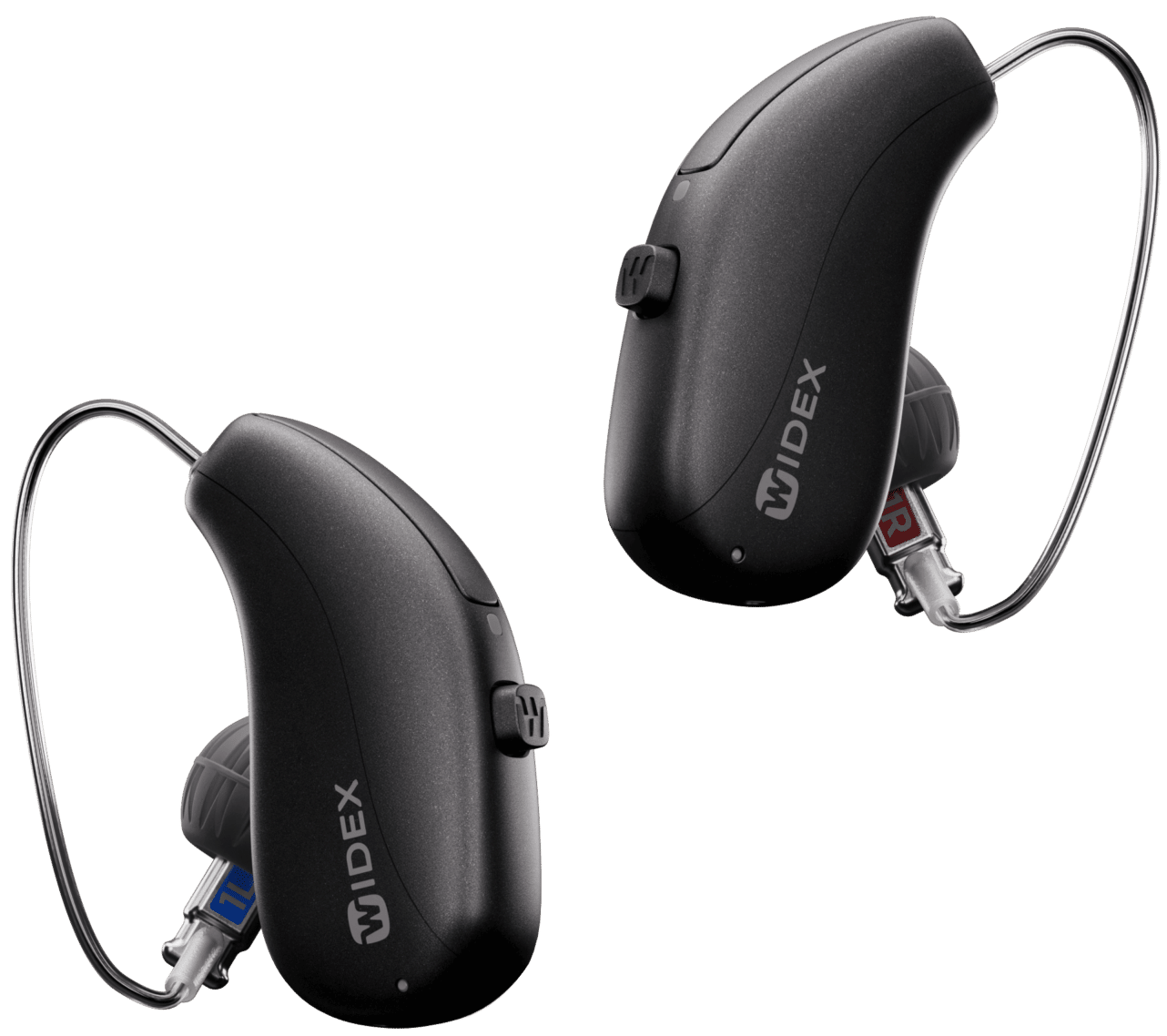
3. Which Hearing Aid Offers the Best Natural Sound Quality?

– Widex Allure 440

This premium rechargeable hearing aid is renowned for delivering exceptionally natural sound quality and minimal processing delay.

Widex continues to be a favourite among music enthusiasts and those sensitive to artificial sound processing. The SmartRIC redesign enhances microphone positioning and boosts battery efficiency.

4. What is the Best Hearing Aid for Auracast Compatibility?

– Starkey Omega AI 24

The Omega AI 24 represents Starkey’s pinnacle of hearing aid technology. It features exclusive DNN 360 directionality, ensuring optimal speech comprehension in noisy settings, advanced spatial awareness, and superior automatic sound optimisation. This model is perfectly suited for active users who frequently dine out, attend social gatherings, or navigate busy public spaces.

5. Which Hearing Aid Excels in Brain-Led AI Processing?

– Oticon Intent 1

The Oticon Intent stands out as one of the most intelligent hearing aids available, employing 4D sensors that respond to movement, listening intent, and conversation dynamics in real time. It consistently receives high ratings from UK reviewers as one of the premier premium hearing aids of 2026.

Signia Pure Charge and Go IX Signia Silk Charge & Go IX Widex Allure RIC 440 Starkey Omega AI 24 Oticon Intent 1
Style RIC (Receiver-in-Canal) CIC / Invisible-in-ear RIC Custom rechargeable miniRITE
Rechargeable Yes Yes Yes Yes Yes
Bluetooth Streaming Excellent Limited vs RIC models Excellent Excellent Excellent
Auracast / LE Audio LE Audio-ready Limited future support Expected future support Strong early support LE Audio capable
Best Strength Group conversations Discreet design Natural sound quality AI + smart features Adaptive listening
Speech in Noise Excellent Very good Good–Very Good Excellent Excellent
Music Quality Very Good Good Excellent Very Good Very Good
Visibility Low-profile Nearly invisible Moderate Invisible/custom Moderate
Battery Life Up to full day+ Full day Full day Excellent Excellent
App Experience Excellent Signia app Signia app Widex app Starkey app with wellness tools Oticon Companion
Best For Busy social environments Users wanting invisible aids Music lovers & natural sound Tech-focused users Dynamic listening environments
Hearing Loss Range Mild–Profound Mild–Moderate Mild–Profound Mild–Severe Mild–Profound
Key Differentiator RealTime Conversation Enhancement Smallest rechargeable Signia style Widex PureSound processing AI health + environmental features 4D user-intent sensors

For most users in the UK, the Signia Pure Charge&Go IX may be the best overall choice, especially for those prioritising speech clarity in restaurants, meetings, or group settings. The Widex Allure 440 is exceptional for those who appreciate music and natural sound quality, while the Signia Silk IX is perfect for individuals who value cosmetic invisibility. The Starkey Omega AI 24 excels in providing AI-driven wellness features and future-ready connectivity. the Oticon Intent 1 is designed for dynamic listening environments, adapting seamlessly to varying soundscapes.

The post Top 5 Hearing Aids by Feature – Bluetooth, AuraCast, and More appeared first on The Microsuction Ear Wax Removal Network.

Categories
Health & Wellness Technology Integration

Healthcare Tech Upgrades: NHS Implementation Strategies

Thorough Assessment of NHS Technology Infrastructure

Performing Detailed Technology Audits

Carrying out thorough evaluations of existing NHS technology systems is crucial for pinpointing outdated equipment and the inefficiencies affecting hospitals and clinics across the United Kingdom. These extensive audits should assess the operational effectiveness of the technology in place, ensuring compliance with national standards and alignment with the priorities of patient care. Involving stakeholders with the technology that underpins healthcare delivery provides valuable insights into necessary upgrades. Particular emphasis should be placed on the age of equipment, current software versions, and the capability of existing systems to meet modern interoperability standards.

Audits must include an evaluation of the current performance metrics, highlighting essential gaps in service delivery and patient outcomes. Recognising these shortcomings establishes a foundation for prioritising upgrades that promise significant improvements in patient care. For example, if a hospital’s electronic health record (EHR) system fails to integrate with diagnostic tools, it can lead to delays in treatment. Tackling such issues is vital for streamlining workflows and enhancing clinical efficiency.

Assessing Staff Readiness for Embracing Technology

Evaluating the readiness of NHS teams to adopt new tools is essential for ensuring a successful technology upgrade. Insights gathered from various trusts throughout the United Kingdom indicate that levels of readiness can vary widely, influenced by factors such as past experiences with technology, current skill sets, and the nature of previous training received. Identifying training deficiencies is vital; if staff members lack the skills necessary to operate new systems effectively, the entire upgrade initiative risks falling short of its intended goals.

Conducting regular assessments can help measure staff comfort and proficiency with existing technologies. For instance, utilising surveys or focus groups can yield valuable insights directly from the frontline users of these systems. This engagement fosters an environment of continuous learning and development, empowering staff to play an active role in the upgrade process. Emphasising targeted training initiatives tailored to identified gaps will strengthen staff confidence and ensure smoother transitions to new technologies.

Recognising Integration Challenges Prior to Upgrades

Integrating new technologies into the existing NHS framework can pose numerous challenges, particularly when dealing with legacy databases and electronic patient records (EPRs). Identifying key integration points early in the upgrade process is essential to minimise potential complications. The challenges can be summarised as follows:

  • Compatibility with legacy systems
  • Data migration complexities
  • Interoperability with third-party applications
  • User interface discrepancies
  • Access control and data security protocols
  • Training requirements for staff on new systems
  • Regulatory compliance across different regions
  • Ongoing support during the transition phase

By prioritising these integration challenges, NHS trusts can develop strategic solutions that ensure new systems enhance and complement existing workflows. A well-planned integration strategy is essential to avoid disruptions in patient care and maintain workflow efficiency.

How Can Stakeholder Engagement Enhance Technology Upgrades?

Identifying and Involving Key NHS Stakeholders

Mapping out the diverse stakeholders within NHS organisations is vital for aligning technology upgrade objectives with the real needs and operational realities faced by clinicians, administrators, and IT leaders. Frontline staff provide invaluable insights into the daily challenges that technology can effectively address. Engaging these individuals from the beginning ensures that the solutions implemented are not only suitable but also embraced by those who will ultimately utilise them.

Stakeholders may include a range of individuals, such as department heads, IT specialists, and clinical staff. Each group offers a unique perspective that can significantly inform the upgrade process. Holding regular meetings and discussions with these stakeholders fosters a collaborative environment where every input is valued. Understanding their priorities allows for a more tailored approach to technology integration, ultimately enhancing outcomes for both patients and staff.

Creating Collaborative Frameworks for Input

Establishing regular forums to gather input from both patients and staff is crucial for refining implementation plans within NHS organisations. Collaboration can take various forms, from focus groups to surveys, ensuring that all voices are heard throughout the upgrade process. These forums provide stakeholders with a platform to express their concerns and share innovative ideas, fostering a sense of ownership over the new technologies being introduced.

Collaborative frameworks can help identify potential barriers to adoption early in the process. By encouraging open communication, NHS trusts can proactively address issues that may arise. This approach not only increases the likelihood of successful technology implementation but also builds trust between management and staff, which is essential for long-term success. As technology evolves, so too must the methods employed to engage with those it affects, ensuring that NHS organisations remain responsive to the needs of their stakeholders.

Evaluating Engagement Outcomes for Continuous Improvement

To effectively measure the success of stakeholder engagement during healthcare technology projects, it is essential to identify appropriate metrics. These metrics may include participation rates in consultations, feedback scores from surveys, and levels of staff involvement in training sessions. Such indicators provide a quantifiable understanding of stakeholder engagement with the upgrade process.

Measuring engagement can also extend to patient interactions. For example, tracking patient satisfaction ratings before and after upgrades can offer insights into whether the technological changes have positively influenced care delivery. Establishing these metrics enables NHS trusts to assess the effectiveness of their engagement strategies and make necessary adjustments to enhance participation from all involved parties.

Overcoming Obstacles to Successful Implementation

Identifying and addressing potential obstacles, such as budget constraints and staff scepticism, is crucial for ensuring successful technology upgrades within the NHS. Building trust and clearly demonstrating the benefits to all stakeholders can help alleviate resistance to change. Open discussions about the expected improvements in patient care and operational efficiencies can ease fears related to new technologies.

Sharing case studies or examples of successful technology implementations in similar NHS environments can motivate sceptical staff. Presenting evidence-based outcomes reinforces the message that upgrades are beneficial and necessary for enhancing healthcare delivery. Strategies to mitigate the impact of budget constraints might include phased implementations or exploring alternative funding sources, such as public-private partnerships, to support the transition.

Insights from Experts on Effective Healthcare Technology Upgrades

Reviewing Findings from NHS Pilot Programmes

Analysing successful technology rollouts within NHS trusts reveals invaluable lessons that can facilitate scalable adoption across the healthcare sector. Recent pilot programmes, such as the introduction of digital triage systems in emergency departments, demonstrate the potential for technology to significantly enhance patient experiences and operational efficiency. In these cases, careful planning and robust stakeholder engagement were crucial in navigating integration challenges while ensuring staff received appropriate training.

These pilot studies often highlight the importance of a phased approach to implementation, allowing for adjustments based on real-time feedback from users. When scaling these technologies, maintaining open communication with all stakeholders is essential, as their insights can guide further developments. Reviewing such case studies can offer a roadmap for NHS organisations seeking to implement similar upgrades, ensuring they learn from both the successes and challenges experienced by their peers.

Addressing Common Barriers to Technology Adoption

Frequent barriers to technology upgrades within NHS environments often include funding limitations and resistance to change among staff. Actionable steps to overcome these challenges commence with clear communication regarding the advantages that upgrades will provide. Involving staff early in the process can also help to mitigate resistance; when employees understand how technology can ease their workloads, they are more likely to embrace changes.

Developing a comprehensive financial plan that outlines both implementation costs and ongoing maintenance can assist in securing necessary funding. Presenting a thorough view of the return on investment for technology upgrades is likely to resonate with decision-makers and stakeholders. This detailed approach ensures that both the financial and operational aspects of upgrades are carefully scrutinised, leading to more successful outcomes.

Aligning Technology Upgrades with National Policies

Technology upgrades must align with the objectives outlined in the NHS Long Term Plan to effectively contribute to overarching goals within the health service. Understanding how technology fits within these national policies enables NHS organisations to prioritise initiatives that will not only benefit their operations but also positively impact the broader healthcare landscape across the UK.

For instance, many initiatives under the Long Term Plan focus on improving patient access to services through technology. This alignment ensures that upgrades are meaningful and conducive to achieving national targets, facilitating a more coordinated approach to health service delivery. aligning with national policies aids in securing funding, as projects that reflect governmental priorities are more likely to receive support.

What Funding Options Are Available for Technology Upgrades?

Investigating Government Grants for NHS Technology Enhancements

NHS-specific funding streams dedicated to technology improvements are crucial in facilitating upgrades across public health services in the United Kingdom. Understanding the eligibility criteria for these grants can unlock substantial resources for NHS organisations seeking to implement new technologies. Various government initiatives, including the Digital First programme, aim to support NHS trusts in enhancing their technological capabilities.

Applying for these grants requires a comprehensive understanding of both project goals and expected outcomes. NHS organisations must present clear proposals detailing how the requested funds will be utilised to enhance patient outcomes and operational efficiency. By proactively pursuing these funding opportunities, NHS trusts can alleviate some financial pressures associated with technology upgrades.

Utilising Public-Private Partnerships for Accelerated Upgrades

Public-private partnerships (PPPs) can significantly expedite technology upgrades within NHS trusts by combining resources and expertise from both sectors. These collaborations enable NHS organisations to share the financial burden of technology implementation while benefiting from the innovative solutions provided by private companies. Such partnerships can promote a spirit of innovation and efficiency, allowing quicker access to the latest technologies.

Successful examples of PPPs in the NHS include collaborations for telehealth services and digital health solutions. These partnerships not only improve service delivery but also create a competitive marketplace where best practices can thrive. By leveraging the strengths of both sectors, NHS trusts can navigate the complexities associated with technology implementation more effectively.

Budgeting for Sustainable Ongoing Costs

Considering ongoing costs is essential for the sustainability of NHS tech systems post-implementation. A detailed budgeting process should encompass various recurring expenses, which can be summarised as follows:

  • Software licensing fees
  • Maintenance and support services
  • Training and development for staff
  • Data storage and management
  • System upgrades and updates
  • Cybersecurity measures
  • Integration with other systems
  • Patient support and engagement tools

Incorporating these costs during the planning phase ensures that NHS trusts maintain financial viability and can continue supporting their enhanced technology infrastructure. This foresight is crucial for guaranteeing that technology upgrades yield lasting benefits for patient care and operational performance.

Research-Backed Advantages of Implementing Healthcare Technology Upgrades

Quantifying Efficiency Gains from Technology Implementation

Providing expert analysis on time savings and error reductions observed in United Kingdom NHS implementations significantly highlights the benefits of technology upgrades. For instance, the introduction of automated scheduling systems in outpatient clinics has resulted in noticeable reductions in administrative time, allowing staff to concentrate more on patient care. These efficiency gains not only boost productivity but also enhance patient experiences.

Quantifying these improvements can be achieved through data analysis, comparing metrics before and after implementation. By presenting concrete figures to stakeholders, NHS organisations can clearly demonstrate the tangible benefits derived from investing in technology. Efficiency is vital for delivering high-quality care, and showcasing these gains reinforces the necessity for ongoing investment in healthcare technology.

Enhancing Patient Outcomes Through Technology Adoption

Real-world examples of improved care quality from recent NHS technology adoptions illustrate the profound impact of tech upgrades on patient outcomes. For instance, implementing electronic prescribing systems has significantly reduced medication errors, ensuring patient safety and enhancing overall care delivery. These systems allow clinicians to access up-to-date patient information promptly, facilitating more informed decision-making.

Improved data sharing between departments results in more coordinated care pathways. Patients benefit from streamlined processes, reduced wait times, and ultimately superior health outcomes. Demonstrating these real-world applications not only validates the need for technology upgrades but also fosters a culture of continuous improvement within NHS trusts.

Maximising Data Utilisation for Enhanced Decision Making

Research indicates that upgraded systems in healthcare settings can enhance decision-making through improved data utilisation. When NHS organisations leverage advanced analytics tools, they obtain deeper insights into patient populations, treatment effectiveness, and resource allocation. This shift towards data-driven decision-making allows healthcare providers to tailor services to the specific needs of their communities.

Enhanced data utilisation can facilitate proactive health management, identifying trends and addressing issues before they escalate. By harnessing the power of data analytics, NHS organisations can improve service delivery and drive continuous improvements in patient care. This strategic approach positions technology upgrades as essential components of modern healthcare delivery.

How Can Data Security Be Ensured During Upgrades?

Implementing Strong Encryption to Safeguard Patient Data

Complying with UK data protection regulations is essential for protecting patient information throughout NHS technology transitions. Implementing robust encryption methods not only secures sensitive data but also fosters trust with patients who are concerned about their privacy. Effective encryption protocols ensure that even in the event of data breaches, the information remains protected and unreadable.

NHS organisations must stay informed about evolving data protection laws and best practices, adjusting their security measures accordingly. This proactive approach to data security is vital for maintaining compliance and safeguarding patient confidentiality. By prioritising encryption and data protection, NHS trusts can create a secure environment for both staff and patients during technology upgrades.

Conducting Regular Risk Assessments for Vulnerability Management

NHS organisations should conduct regular risk assessments to thoroughly evaluate vulnerabilities during upgrade phases. These assessments should be comprehensive, covering both technological and human factors that could compromise data security. Establishing a consistent schedule for these evaluations ensures that potential risks are identified and proactively addressed.

Risk assessments must also include staff training to ensure all personnel understand security protocols and their responsibilities in maintaining data integrity. By fostering a culture of security awareness, NHS organisations can significantly reduce the likelihood of breaches during technology transitions. This ongoing vigilance is key to protecting patient information and building trust in the healthcare system.

Training Staff on Cybersecurity Protocols

Equipping staff with the necessary skills to uphold security standards in UK healthcare facilities is not just a regulatory requirement; it is critical for fostering a secure environment during technology upgrades. Comprehensive training programmes should cover best practices for data protection, recognising phishing attempts, and effective incident response strategies.

Regular workshops and refresher courses can reinforce these skills, ensuring that staff remain informed about evolving cybersecurity threats. A well-trained workforce serves as the first line of defence against potential breaches, enhancing the overall security posture of NHS organisations. By prioritising cybersecurity training, NHS trusts not only protect patient data but also nurture a culture of responsibility and vigilance among all employees.

Monitoring and Evaluating Performance Following Upgrades

Establishing Clear Performance Indicators for Success Evaluation

Defining success measures that align with NHS objectives, such as reduced wait times and improved diagnostics, is essential for assessing the effectiveness of technology upgrades. Establishing clear performance indicators allows NHS organisations to evaluate the impact of new technologies on both operational efficiency and patient care.

These indicators may include metrics such as patient throughput, error rates, and staff productivity levels. By regularly reviewing these performance indicators, NHS trusts can identify areas for improvement and make data-driven decisions to optimise their healthcare delivery. A structured approach to performance evaluation ensures that technology upgrades achieve the anticipated outcomes and contribute to ongoing enhancements in service quality.

Implementing Effective Feedback Mechanisms for Continuous Improvement

Creating effective feedback mechanisms for collecting input from patients and providers in the United Kingdom is crucial for assessing the success of technology upgrades. A bullet list of potential survey methods includes:

  • Patient satisfaction surveys post-visit
  • Focus groups with clinical staff
  • Online feedback forms
  • Real-time feedback tools integrated into patient management systems
  • Regular check-ins with stakeholders during the upgrade process
  • Post-implementation reviews with key personnel
  • Anonymous suggestion boxes for staff
  • Patient experience interviews

These feedback mechanisms enable NHS organisations to gather insights that inform ongoing refinements to technology implementations. By promoting a culture of open communication, NHS trusts can create a continuous improvement loop that enhances both staff and patient experiences.

Adjusting Strategies Based on Performance Results

Ongoing refinements are vital for the long-term success of technology upgrades within NHS contexts. When performance indicators and feedback mechanisms reveal areas needing improvement, NHS organisations must remain agile in their responses. Developing a framework for adjusting strategies based on results can facilitate timely action, ensuring that technologies continue to meet the evolving needs of patients and healthcare providers.

For instance, if feedback indicates that a new EHR system is causing delays in patient processing, NHS trusts should investigate the underlying causes and implement necessary changes without delay. This proactive approach to identifying and addressing issues enhances the overall effectiveness of technology upgrades and nurtures a culture of continuous improvement.

Benchmarking Against Comparable Healthcare Systems for Best Practices

Conducting thorough benchmarking exercises by comparing the upgraded system’s key performance indicators with those of leading healthcare organisations across the United Kingdom and Europe can help identify gaps and opportunities for further enhancements in service delivery. Benchmarking provides valuable insights into best practices and highlights areas where NHS organisations can improve or innovate.

By assessing performance against comparable systems, NHS trusts can discover successful strategies that may be adapted for their own contexts. This process not only drives improvement but also fosters a sense of accountability as organisations strive to meet or exceed industry standards. Benchmarking should be an ongoing process that informs future technology upgrades, ensuring that NHS organisations remain at the forefront of healthcare delivery.

Frequently Asked Questions about NHS Technology Upgrades

What Are Healthcare Technology Upgrades?

Healthcare technology upgrades involve implementing new technologies or enhancements to existing systems aimed at improving patient care and operational efficiency within healthcare settings.

How Can NHS Organisations Initiate Technology Audits?

NHS organisations can begin technology audits by conducting comprehensive reviews of current systems, assessing equipment age, software effectiveness, and compliance with national standards.

What Role Do Stakeholders Play in Technology Upgrades?

Stakeholders, including clinicians and IT leads, provide essential insights into practical needs and operational realities, helping to shape technology upgrades that align with frontline requirements.

What Are the Common Barriers to Healthcare Technology Upgrades?

Common barriers include budget constraints, resistance to change among staff, and integration challenges with existing systems, all of which can impede successful implementations.

How Can Funding for Technology Upgrades Be Secured?

Funding can be secured through government grants, public-private partnerships, and careful budgeting that outlines the expected return on investment for technology upgrades.

What Are the Benefits of Technology Adoption in Healthcare?

Benefits encompass increased efficiency, improved patient outcomes, enhanced data utilisation, and improved decision-making within healthcare settings.

How Is Data Security Maintained During Upgrades?

Data security is upheld through robust encryption, regular risk assessments, and training staff on cybersecurity protocols to protect patient information.

What Performance Indicators Should NHS Organisations Track Post-Upgrade?

NHS organisations should monitor performance indicators such as patient throughput, error rates, staff productivity, and patient satisfaction to evaluate the effectiveness of technology upgrades.

How Can Feedback from Staff and Patients Be Effectively Gathered?

Feedback can be collected through surveys, focus groups, real-time feedback tools, and anonymous suggestion boxes to ensure diverse perspectives are captured.

Why Is Benchmarking Important for NHS Technology Upgrades?

Benchmarking against comparable healthcare systems helps identify gaps, opportunities for improvement, and best practices that can enhance service delivery and patient care.

The post Healthcare Tech Upgrades: Strategies for NHS Implementation appeared first on Healthcare Marketing Service.

Categories
Health & Wellness Hearing Awareness

Hearing Aids: Raising Awareness and Understanding Needed

Last Updated on 22/04/2025 by Admin

Explore the Crucial Role of Hearing Health in Daily Life

The significance of hearing health is frequently neglected in conversations concerning overall wellness. It is essential to recognise that an individual’s auditory capabilities greatly influence their perception of the world and interactions with others. As global awareness of various health issues continues to expand, understanding the profound consequences of hearing loss on quality of life becomes increasingly urgent. This challenge is especially prevalent in diverse areas worldwide, including rural regions in Africa and urban centres in Asia, where the effects of hearing impairment can be particularly devastating. The urgent need for increased awareness about the importance of maintaining hearing health, especially regarding why hearing aids need more awareness, cannot be overstated.

Understanding the Wide-Ranging Impacts of Hearing Loss on Life Quality

Imagine a situation where daily conversations dissolve into silence, turning social gatherings into lonely experiences rather than enjoyable interactions. For millions around the globe, this troubling reality shapes their existence due to hearing loss. The multifaceted impacts on quality of life extend across numerous areas, significantly influencing communication, social interactions, and mental health. Those grappling with hearing challenges often withdraw from social circles, leading to profound feelings of loneliness and depression. In societies where family ties and community connections are vital, such as in Latin America and Southeast Asia, this sense of disconnection can become especially pronounced, intensifying emotional struggles.

Extensive studies have established a robust connection between untreated hearing loss and notable declines in mental well-being. Research published in esteemed international journals reveals that individuals facing hearing difficulties experience a heightened risk of anxiety and depression. Adding to these challenges is the societal stigma surrounding hearing aids, as many perceive their use as indicative of ageing or frailty. This misconception creates a damaging cycle: reluctance to seek necessary assistance leads to worsening conditions, further complicating mental and emotional health challenges.

It is vital to educate communities about the psychological and societal consequences of hearing loss. Initiatives that share personal narratives can foster empathy and understanding, illustrating that seeking help is not a mark of weakness but a proactive decision aimed at enhancing one’s quality of life. By encouraging open dialogues regarding the realities of hearing health, we can collaboratively work towards dismantling the stigma surrounding hearing aids and motivate individuals to pursue the support they rightfully deserve.

Realising the Advantages of Timely Detection of Hearing Loss

The advantages associated with the early identification of hearing loss are considerable, serving as a crucial intervention capable of significantly enhancing individual outcomes. Swiftly recognising hearing challenges enables individuals to adapt effectively and utilise hearing aids, preventing further deterioration of auditory capabilities. In countries such as Japan, where advanced audiological screening programmes are prevalent, early detection facilitates better integration of hearing aid technology, ultimately improving communication abilities for both children and adults.

Moreover, research indicates that individuals who proactively address their hearing loss tend to enjoy enhanced professional outcomes. In various workplaces across Europe and North America, employees using hearing aids report greater job satisfaction and performance, often leading to opportunities for career advancement. This observation underscores the critical necessity for comprehensive screening programmes and awareness initiatives that encourage individuals to seek assistance sooner rather than later.

Raising awareness about the vital need for early detection can lay the groundwork for comprehensive public health strategies, including routine hearing checks in educational settings and workplaces. By cultivating an environment that prioritises hearing health, communities can significantly improve overall well-being and empower individuals to take charge of their auditory health.

Recognising the Long-Term Health Risks of Ignoring Hearing Health

Disregarding the significance of hearing health can lead to serious long-term health repercussions that extend far beyond simple communication challenges. Recent studies increasingly highlight a strong correlation between untreated hearing loss and cognitive decline, notably an increased risk of developing dementia. Reports from reputable organisations such as the World Health Organization indicate that individuals with significant hearing impairment are up to five times more likely to experience cognitive decline compared to their hearing counterparts.

This alarming trend stresses the urgent need to amplify awareness regarding why hearing aids need more awareness. As individuals age, the risks associated with untreated hearing loss become increasingly evident. In various cultures, particularly within Western societies, ageing is often mistakenly equated with inevitable decline. Challenging these misconceptions through education and advocacy can empower older adults to seek assistance sooner, potentially alleviating risks related to cognitive health and enhancing overall quality of life.

The consequences of untreated hearing loss also extend into economic aspects. Countries with an ageing population must recognise that investing in hearing health can yield extensive societal benefits, including reduced healthcare costs linked to cognitive decline. By prioritising awareness and accessibility to hearing aids, nations can foster healthier, more engaged communities and enhance the overall quality of life for their citizens.

Identifying and Addressing Barriers to Hearing Aid Adoption

Despite remarkable technological advancements and the undeniable benefits of hearing aids, various obstacles hinder their widespread acceptance. Understanding these barriers is crucial when discussing why hearing aids need more awareness, as it reveals systemic challenges that must be tackled to improve global hearing health outcomes.

Addressing Cost and Accessibility Challenges in Obtaining Hearing Aids

One of the most significant barriers to adopting hearing aids is the high cost associated with these essential devices. In many developing countries, the price of hearing aids can be prohibitively expensive, often making them unattainable for average citizens. For instance, in regions of South America and Africa, families may struggle to meet basic needs, let alone afford advanced hearing technology. This economic disparity results in a considerable portion of the population remaining untreated, exacerbating issues related to communication and social inclusion.

Even in wealthier nations, the high cost of hearing aids remains a major obstacle. Numerous health insurance plans do not cover the costs of hearing aids, which can range from hundreds to thousands of pounds. This lack of financial support creates a scenario where individuals might prioritise other health concerns over their hearing health, perpetuating a cycle of neglect and isolation.

To combat this challenge, several organisations are advocating for policy changes that would require insurance coverage for hearing aids. Additionally, non-profit initiatives are emerging to provide affordable or subsidised hearing aids to underserved communities. By highlighting these efforts and the transformative potential of hearing health, we can begin to dismantle the financial barriers hindering adoption and promote accessibility for all.

Confronting Stigma and Misconceptions Surrounding Hearing Aids

The stigma associated with hearing aids represents a formidable barrier that prevents many individuals from seeking the help they need. Globally, there is a prevalent misconception that wearing hearing aids signifies weakness or ageing, leading to feelings of shame and embarrassment. In various cultures, particularly in Asia and the Middle East, the emphasis on youth and vitality can intensify these feelings, causing individuals to postpone seeking assistance.

Public perception significantly influences how hearing aids are viewed and accepted. Addressing these negative perceptions through awareness campaigns is vital for reducing stigma. Personal testimonials from users who have experienced life-changing improvements after obtaining hearing aids can be particularly powerful in dismantling barriers. These narratives can humanise the issue and showcase that seeking help is a sign of strength and resilience, rather than weakness.

Communities must also work to normalise the use of hearing aids through education and advocacy initiatives. By creating an environment where hearing aids are considered empowering tools instead of sources of embarrassment, we can encourage more individuals to pursue the assistance they rightfully need and deserve.

Closing the Knowledge Gap Regarding Hearing Aids

In today’s digital age, the vast array of information available can be a double-edged sword. While many valuable resources exist, numerous individuals remain unaware of the latest advancements in hearing aid technology and its associated benefits. This lack of knowledge is especially prevalent in less affluent regions, where access to information about hearing health may be limited.

Educational initiatives centred on the latest research and innovations in hearing aids can effectively bridge this knowledge gap. Engaging community organisations or healthcare providers to host informative workshops can empower individuals to learn about their options and make informed decisions. Moreover, leveraging technology, such as social media platforms, can facilitate rapid and impactful dissemination of awareness.

As more individuals become educated about the capabilities of modern hearing aids, which include features like Bluetooth connectivity and noise cancellation, the stigma surrounding their use may gradually diminish. This educational approach will be crucial in promoting acceptance and ultimately increasing adoption rates, resulting in improved hearing health within communities.

Enhancing Professional Support in Hearing Health Services

In numerous regions globally, there exists a significant shortage of qualified audiologists and hearing specialists. This lack of professional support creates substantial hurdles for individuals seeking assistance with their hearing health. For instance, in rural areas of North America and Africa, access to hearing health professionals may be severely limited, forcing individuals to travel long distances for appointments.

This restricted access can delay the fitting and ongoing care necessary for effective hearing aid use. For many individuals, the pathway to effective hearing health begins with an audiological assessment, and without easy access to qualified professionals, many may remain untreated, perpetuating the cycle of hearing loss and isolation.

Advocating for increased funding and training for hearing health professionals can address this issue on a broader scale. Efforts to enhance telehealth services can also bridge the gap, allowing individuals in remote areas to receive care without the burden of travel. By expanding professional support networks, we can facilitate a smoother process for adopting hearing aids and improve overall access to hearing health services.

Simplifying the Complexity of Modern Hearing Aid Technology

As technology continues to evolve, modern hearing aids have transformed into increasingly sophisticated devices, offering features tailored to diverse user needs. However, the complexity of these devices can be overwhelming for individuals who may not be technologically inclined. Features like smartphone integration and app-based controls, while beneficial, can deter potential users who feel daunted by advanced technology.

To encourage adoption, it is crucial to simplify the user experience associated with hearing aids. Manufacturers play a vital role in this process by designing intuitive interfaces and providing comprehensive user manuals and support services. Educational programmes that teach users how to navigate new technologies can empower individuals, instilling confidence in their ability to use hearing aids effectively.

Furthermore, community outreach initiatives that offer hands-on demonstrations of hearing aids can help demystify the technology. By portraying hearing aids as user-friendly and accessible tools, we can encourage more individuals to embrace these solutions and ultimately enhance their quality of life.

Exploring Technological Innovations in Hearing Aids

The field of hearing aids has undergone a remarkable transformation in the past decade, driven by technological advancements that enhance user experience and accessibility. Understanding these innovations is essential in promoting why hearing aids need more awareness, as they demonstrate how modern solutions can significantly improve the lives of those dealing with hearing loss.

Showcasing Modern Features and Their Benefits

The contemporary hearing aid embodies technological innovation, equipped with features that greatly enhance the user experience. Innovations such as Bluetooth connectivity enable users to connect their hearing aids to smartphones, televisions, and other devices, facilitating seamless communication. For example, enjoying music or participating in phone calls becomes a more immersive experience, as sound is transmitted directly to the hearing aids.

In addition to improved connectivity, advancements in noise reduction technology have significantly enhanced the functionality of hearing aids. Users can now enjoy a more natural listening experience by filtering out background noise, which is particularly beneficial in bustling settings like restaurants or social gatherings. The ability to adjust settings in real-time through mobile applications offers further customisation, allowing individuals to tailor their hearing experience to suit their surroundings.

The global implications of these innovations are substantial. As more individuals become aware of the advanced features available, the stigma surrounding hearing aids may gradually dissipate, leading to increased adoption rates. By showcasing the technological benefits of modern hearing aids, public health campaigns can encourage individuals to seek assistance, ultimately enhancing their overall quality of life.

Focusing on Customisation and Comfort in Hearing Aid Design

Customisation is at the forefront of contemporary hearing aid design, addressing the diverse needs and preferences of users around the globe. Manufacturers are increasingly dedicated to creating devices that offer comfortable and personalised fits. Custom moulds and adjustable settings ensure that users can wear their hearing aids for extended periods without discomfort.

In regions where cultural factors influence perceptions of hearing aids, the emphasis on comfort is paramount. For instance, in India and other countries where traditional attire may conflict with conventional hearing aid designs, advancements in aesthetic appeal can promote acceptance and encourage use. Sleek, discreet designs that integrate with personal style can help normalise hearing aids, making them more appealing to individuals of all ages.

Furthermore, innovations in materials have resulted in the creation of more durable hearing aids capable of withstanding various environmental conditions. This durability is particularly crucial in areas characterised by extreme climates, ensuring that users can rely on their devices without frequent replacements.

By emphasising the customisation and comfort of modern hearing aids, awareness campaigns can effectively address the concerns of potential users, motivating them to embrace these life-altering devices.

Enhancing Accessibility in Hearing Aid Distribution

The remarkable advancements in technology have also led to increased accessibility of hearing aids for a broader audience. Innovative solutions are emerging that aim to bridge the gap between affordability and quality, ensuring that individuals from various socioeconomic backgrounds can access necessary treatment.

In recent years, numerous initiatives have been launched in various countries to provide subsidised or low-cost hearing aids. Non-profit organisations often play a crucial role in this effort, working diligently to distribute devices to underserved populations. For example, in parts of Africa and Asia, mobile clinics have been established to reach remote communities, providing free hearing assessments and hearing aids to those in need.

Moreover, advancements in telehealth services are expanding access to audiological care. Through virtual consultations, individuals can receive assessments and support without needing physical appointments, making it easier for those in rural or underserved areas to obtain care.

By highlighting these improvements in accessibility, awareness campaigns can inspire hope and action among those who previously felt excluded from hearing health solutions. As more individuals become aware of affordable options, the landscape of hearing aid adoption may shift dramatically, resulting in enhanced community health outcomes.

Integrating Hearing Aids with Smart Devices for an Enhanced Experience

The integration of hearing aids with smart devices represents a significant advancement in personal technology, greatly enhancing user experience and promoting seamless connectivity. With the capability to connect to smartphones, users can effortlessly adjust settings, stream audio, and manage their hearing aid preferences at their fingertips.

This integration is particularly advantageous in today’s fast-paced world, where individuals heavily depend on technology for daily tasks. For instance, users can receive phone calls directly in their hearing aids, eliminating the need for additional accessories. This level of convenience can be transformative for individuals with hearing loss, empowering them to engage more fully in conversations and activities.

As smart home technology continues to evolve, the potential for further integration with hearing aids is vast. Imagine a scenario where users can control their home environment—adjusting the volume of their television or filtering out background noise from appliances—simply through their hearing aids. This seamless blend of technology fosters greater independence and control for individuals with hearing loss.

Raising awareness about the integration of hearing aids with smart devices is essential in encouraging adoption. By showcasing the convenience and enhanced quality of life that these advancements offer, we can inspire more individuals to seek assistance and embrace modern solutions.

Transforming Hearing Aids with Advanced Signal Processing Techniques

Advanced signal processing methods have revolutionised the realm of hearing aids, significantly enhancing sound quality and speech comprehension. State-of-the-art algorithms can distinguish between different sound frequencies, ensuring that users experience rich, clear audio in various environments.

This technological leap is particularly beneficial in today’s noisy world, where users frequently find themselves in challenging auditory situations. For example, in bustling urban centres or crowded social settings, modern hearing aids equipped with advanced signal processing can effectively filter out distractions, allowing users to focus on conversations without being overwhelmed by background noise.

Moreover, this enhanced sound processing is crucial for individuals with diverse types of hearing loss. Personalised settings can be calibrated based on individual needs, providing tailored solutions that improve communication experiences. For instance, children who require hearing aids for educational purposes can benefit from features that prioritise speech frequency, ensuring they can fully engage in classroom activities.

As awareness of these technological advancements grows, so too does the potential for increased adoption of hearing aids. Educational campaigns that highlight the significance of advanced signal processing can empower individuals to seek help and experience the transformative effects of modern hearing aids.

Advocating for Education and Awareness in Hearing Health

Education and advocacy are fundamental in promoting awareness regarding hearing health and the critical significance of hearing aids. Without concerted efforts to inform the public, many individuals may remain oblivious to their options, leading to further neglect of hearing health concerns.

Launching Public Awareness Campaigns for Hearing Health

Public awareness campaigns serve as powerful tools in enhancing understanding and reducing the stigma associated with hearing aids. These initiatives can take various forms, including social media campaigns, community events, and educational workshops. By leveraging diverse platforms, communities can engage a wide audience and inspire meaningful discussions about the importance of hearing health.

Successful campaigns often rely on personal stories from individuals who have benefitted from using hearing aids. These narratives can humanise the issue and motivate others to seek assistance. For example, highlighting the experiences of young adults who overcame educational challenges due to hearing loss can inspire others facing similar obstacles.

Additionally, collaborating with local health organisations can amplify the reach of awareness campaigns. Health fairs, school programmes, and community outreach initiatives can provide valuable information regarding hearing health, ensuring that individuals receive the support they need.

As public awareness grows, so does the likelihood that individuals will pursue assistance for hearing loss. Presenting hearing aids as tools for empowerment rather than symbols of weakness can significantly shift societal attitudes, encouraging more people to take action and prioritise their hearing health.

Advocating for Policy Reforms to Enhance Access to Hearing Healthcare

Advocacy plays a vital role in driving policy changes that improve access to hearing healthcare and support. By mobilising community members and stakeholders, advocates can work towards implementing policies that prioritise hearing health initiatives.

One critical focus for advocacy efforts is to push for insurance coverage of hearing aids. Many individuals face financial barriers that prevent them from accessing necessary treatments, making it essential to advocate for changes in healthcare policy. Grassroots movements and partnerships with non-profit organisations can amplify these voices, ensuring that hearing health remains a priority on the policy agenda.

Moreover, advocating for increased funding for hearing health programmes can yield lasting impacts. By securing funding for research, education, and community outreach initiatives, advocates can help establish a more comprehensive support system for individuals with hearing loss.

As the policy landscape evolves, ongoing advocacy will be crucial in ensuring that hearing health receives the attention and resources it rightfully deserves.

Establishing Community Support Networks for Hearing Aid Users

Community support networks are vital in providing encouragement and practical assistance to hearing aid users. These networks can take various forms, including local support groups, online forums, and community organisations focused on hearing health.

By connecting individuals with shared experiences, these networks cultivate a sense of belonging and understanding. For instance, individuals who have recently adopted hearing aids can gain valuable insights from the experiences of others, learning tips and tricks to navigate their new reality.

Additionally, community support networks can serve as invaluable resources for education and information. By hosting workshops and events, organisations can equip individuals with insights into the latest advancements in hearing aid technology and how to maximise the benefits of their devices.

Encouraging the formation and growth of community support networks is crucial in combating the stigma surrounding hearing aids. As individuals share their stories and support one another, a collective consciousness surrounding hearing health can emerge, inspiring more people to seek assistance and prioritise their hearing needs.

Examining the Impact of Hearing Loss Across Different Age Groups

Hearing loss affects individuals across all age demographics; however, the consequences vary significantly based on age. Understanding these differences is vital when discussing why hearing aids need more awareness, as it highlights the unique challenges faced by specific groups.

Addressing Hearing Loss in Children and Young Adults

Hearing loss in children and young adults can have profound effects on education and development. Early intervention is crucial in ensuring that children can thrive academically. Studies have shown that children with untreated hearing loss may struggle with communication skills, leading to difficulties in learning and socialisation.

In many regions, including Africa and Asia, access to hearing health services for children can be limited. This lack of access exacerbates educational challenges, as children remain unaware of their hearing difficulties. By prioritising awareness and access to regular hearing screenings in schools, communities can work to identify and support children with hearing loss from an early age.

Additionally, public campaigns aimed at parents and educators are essential in fostering understanding of the impacts of hearing loss. By educating caregivers about the signs and symptoms of hearing difficulties, we can create more supportive environments for children, ensuring they receive the assistance they need to flourish both academically and socially.

Recognising the Effects of Hearing Loss on the Working-Age Population

The impact of hearing loss on the working-age population is substantial, affecting job performance and career advancement. Individuals with untreated hearing loss may encounter challenges in communication, leading to misunderstandings and decreased productivity. In competitive job markets, such as those prevalent in Europe and North America, these challenges can impede career progression and professional growth.

Employers must recognise the significance of accommodating employees with hearing loss. By fostering inclusive workplaces that prioritise communication and accessibility, organisations can enhance employee satisfaction and retention. This not only improves workplace culture but also positively influences overall productivity and morale.

Raising awareness about the economic implications of hearing loss among the working-age population is vital. By highlighting the potential benefits of intervention, including improved job performance and reduced turnover rates, we can encourage employers to invest in hearing health initiatives that support their workforce and enhance overall productivity.

Promoting Awareness of Hearing Loss Among Elderly Individuals

Older adults are particularly susceptible to hearing loss, which can significantly affect their quality of life and independence. As individuals age, the likelihood of experiencing hearing difficulties increases, making it crucial to prioritise awareness in this demographic.

Hearing loss in elderly individuals can lead to isolation and cognitive decline, as previously discussed. Providing education and resources tailored to this age group is essential in encouraging individuals to seek help. For example, community programmes focusing on the benefits of hearing aids can empower older adults to take action and improve their quality of life.

Additionally, family members and caregivers play a pivotal role in supporting older individuals with hearing loss. By cultivating a culture of understanding and open communication, families can encourage their loved ones to seek assistance and embrace hearing aids, ultimately enhancing their overall well-being and independence.

Developing Effective Strategies to Enhance Hearing Aid Awareness

Increasing awareness of hearing aids requires a multifaceted approach that engages various stakeholders, including healthcare providers, community organisations, and individuals. By implementing effective strategies, we can promote a greater understanding of hearing health and the importance of seeking help.

Strengthening Collaboration with Healthcare Providers

Collaboration with healthcare providers is crucial in enhancing patient education and referral processes. Doctors and audiologists play a pivotal role in identifying individuals who may benefit from hearing aids. However, many healthcare professionals lack the training and resources to address hearing health effectively.

Integrating discussions about hearing health into routine medical visits can help normalise conversations regarding hearing loss. By equipping healthcare providers with the knowledge and resources to discuss hearing health with their patients, we can facilitate earlier detection and intervention, ultimately enhancing patient outcomes.

Additionally, creating partnerships between audiology clinics and primary care providers can ensure that patients receive comprehensive care. By establishing referral networks, individuals can access the support they need without navigating complex healthcare systems independently, thereby encouraging more individuals to seek the necessary help.

Utilising Media and Technology for Enhanced Awareness

Leveraging media platforms can be a powerful strategy to disseminate information and normalise the use of hearing aids. Social media campaigns, podcasts, and online articles can provide valuable insights into hearing health while fostering discussions around the importance of seeking assistance.

By employing a diverse range of media formats, organisations can reach a broader audience and engage individuals in meaningful conversations. For instance, collaborating with influencers who have personal experiences with hearing loss can amplify messages and inspire others to seek help.

Moreover, creating engaging digital content that showcases the benefits of modern hearing aids can demystify the technology and foster acceptance. By presenting hearing aids as essential tools for empowerment rather than stigmatized devices, we can encourage more individuals to consider their options and prioritise their hearing health.

Implementing Engaging Educational Programs on Hearing Health

Educational programmes that provide interactive learning experiences can significantly impact awareness and understanding of hearing health. Workshops and seminars can offer valuable insights into the latest advancements in hearing aid technology while fostering an atmosphere of support and learning.

These programmes can be tailored to various audiences, including school children, parents, and senior citizens. By addressing the unique needs of different demographics, we can create comprehensive educational initiatives that empower individuals to take control of their hearing health.

Furthermore, incorporating interactive elements, such as demonstrations of hearing aids and opportunities for attendees to ask questions, can enhance the learning experience. By fostering an environment of curiosity and engagement, we can encourage more individuals to explore their options and seek necessary assistance.

Conducting Community Outreach Initiatives for Hearing Health Awareness

Organising community outreach initiatives can raise awareness and reduce the stigma associated with hearing aids. Events such as health fairs, free hearing screenings, and informational workshops can provide valuable resources to individuals in need of assistance.

Engaging local organisations and businesses in these initiatives can amplify their impact. For example, partnering with schools, libraries, and community centres can ensure that outreach efforts reach diverse populations and effectively disseminate information about hearing health.

Additionally, leveraging local media to promote these events can raise awareness and encourage participation. By creating a supportive community atmosphere centred around hearing health, we can foster acceptance and understanding, ultimately leading to increased awareness and adoption of hearing aids.

Evaluating the Economic Impact of Hearing Loss

The economic implications of untreated hearing loss extend far beyond individual health, affecting healthcare costs, workforce productivity, and consumer spending. By exploring these impacts, we can better understand the importance of raising awareness about hearing health and the necessity for timely intervention.

Investigating the Financial Burden of Healthcare Costs

Untreated hearing loss can lead to increased healthcare expenses due to associated health issues. Individuals with hearing difficulties often face additional health problems, including mental health disorders and cognitive decline, which can result in higher healthcare costs over time.

For instance, a study conducted in the United States found that untreated hearing loss can lead to an estimated $22,000 in additional healthcare costs per individual over a decade. These financial burdens not only affect individuals and families but also place strain on public health systems, emphasising the need for proactive measures.

Raising awareness about the long-term healthcare costs associated with untreated hearing loss is crucial in encouraging individuals to seek help. By highlighting the potential savings linked with early intervention, we can foster a sense of urgency surrounding hearing health and motivate individuals to prioritise their auditory well-being.

Understanding Productivity Losses Related to Hearing Impairment

Hearing loss can significantly diminish workforce productivity, impacting economic output on a broad scale. Individuals with untreated hearing difficulties may struggle in professional environments, leading to decreased job performance and engagement.

In competitive job markets, this loss of productivity can have far-reaching consequences. A study conducted in the United Kingdom estimated that untreated hearing loss costs the economy approximately £30 billion annually due to lost productivity. These statistics underscore the importance of addressing hearing health as a critical component of economic stability and workforce effectiveness.

By promoting awareness about the impact of hearing loss on workplace performance, employers can be encouraged to support hearing health initiatives. Implementing accommodations and providing access to hearing aids can foster a more inclusive environment, ultimately benefiting both employees and employers alike.

Recognising the Economic Benefits of Hearing Health Intervention

Investing in hearing health can yield substantial economic benefits for individuals and society as a whole. Research has demonstrated that individuals who invest in hearing aids experience improved quality of life and enhanced productivity, leading to potential economic gains.

For instance, studies indicate that individuals with treated hearing loss can increase their earning potential by as much as 50%. This increased productivity can have lasting effects on the economy, promoting growth and stability across sectors and communities.

Advocating for investment in hearing health initiatives can lead to a more productive workforce and reduced healthcare costs associated with untreated hearing loss. By highlighting the economic advantages of timely intervention, we can encourage governments and organisations to prioritise hearing health in their agendas.

Assessing the Effects of Hearing Loss on Social Services

Untreated hearing loss increases the demand for social services, straining public resources and budgets. Individuals who struggle with hearing loss may require additional support, including mental health services and social assistance, leading to increased costs for social programmes.

In many countries, social service systems are already under pressure due to various factors, including ageing populations and rising healthcare costs. The additional burden of untreated hearing loss can exacerbate these challenges, making it crucial to prioritise awareness and intervention.

By promoting proactive approaches to hearing health, we can alleviate pressure on social services and foster a more sustainable system. Encouraging individuals to seek help for hearing loss can lead to a more self-sufficient population, ultimately benefiting society as a whole and enhancing community resilience.

Exploring the Impact of Hearing Loss on Consumer Spending Patterns

Individuals with hearing loss may alter their spending habits, significantly affecting retail and service sectors. Those who struggle with communication may be less inclined to participate in social activities, leading to reduced spending on entertainment, dining, and travel.

In regions where tourism serves as a vital economic driver, the effects of untreated hearing loss can be particularly pronounced. By promoting awareness and encouraging individuals to seek assistance, we can foster greater engagement in social activities, ultimately benefiting local economies and revitalising community interactions.

Highlighting the potential economic impacts of untreated hearing loss can persuade stakeholders across various sectors to invest in awareness campaigns and improve access to hearing health resources. By addressing these issues comprehensively, we can contribute to healthier and more vibrant communities.

Frequently Asked Questions About Hearing Health

What are the common signs of hearing loss?

Common signs of hearing loss include difficulty understanding conversations, frequently asking others to repeat themselves, and needing to increase the volume on devices.

How do hearing aids work?

Hearing aids amplify sound, making it easier for individuals with hearing loss to hear and understand speech in various environments, significantly improving their quality of life.

Can hearing aids prevent hearing loss?

While hearing aids cannot prevent hearing loss, they can significantly improve the quality of life for individuals experiencing hearing difficulties by enhancing their ability to communicate and engage socially.

Are there different types of hearing aids?

Yes, there are several types of hearing aids, including behind-the-ear (BTE), in-the-ear (ITE), and completely-in-canal (CIC) models, each designed to suit different needs and preferences based on the user’s lifestyle and degree of hearing loss.

How can I choose the right hearing aid?

Choosing the right hearing aid involves consulting with an audiologist, who can assess your hearing loss and recommend the best options based on your unique individual needs and preferences.

Are hearing aids covered by insurance?

Coverage for hearing aids varies by insurance plan, with some plans providing partial coverage while others may not cover them at all. It’s essential to check with your provider for specifics regarding your benefits.

How long do hearing aids last?

On average, hearing aids last between three to seven years, depending on usage, care, and the advancements in technology, with regular maintenance and proper handling contributing to their longevity.

Can children use hearing aids?

Yes, children can indeed use hearing aids, and early intervention is crucial for their development and communication skills, ensuring they can thrive in educational settings and social interactions.

What is the cost of hearing aids?

The cost of hearing aids can vary widely depending on the type, features, and technology, with prices ranging from hundreds to several thousand pounds, making it important to explore options for financial assistance.

How can I raise awareness about hearing health?

You can raise awareness about hearing health by sharing information within your community, participating in local events, and supporting organisations that focus on hearing health initiatives, helping to spread the message and encourage others to seek assistance.

Explore our world on X!

The post Hearing Aids: A Universal Call for Greater Awareness appeared first on The Microsuction Ear Wax Removal Network.


Originally posted 2025-04-23 03:12:28.

The post Hearing Aids Demand Increased Awareness and Understanding appeared first on Healthcare Marketing Service.